How Many Headshots Does an Actor Need?
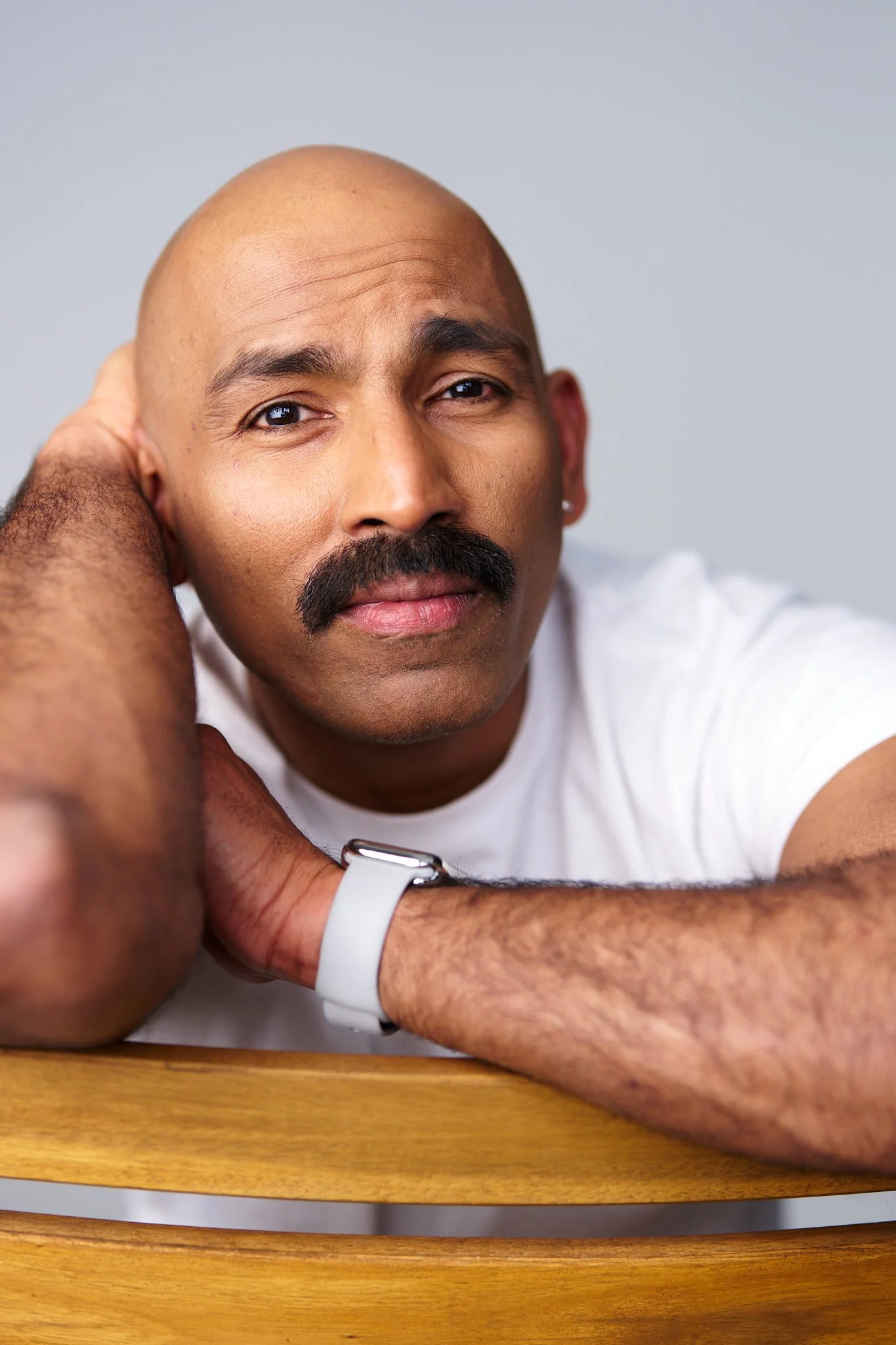
Actors often leave a headshot session with hundreds of proofs. That can make it feel as though you need to choose ten or fifteen finished photographs.
You probably don’t.
Most actors are better served by a smaller set of strong headshots, with each photograph doing a different job. The right number depends on the work you pursue, the range you can realistically play and what is missing from your current materials.
More photographs do not automatically create more range
Five smiling photographs in different shirts are still serving roughly the same purpose. Before choosing an additional image, ask whether it gives you something the current selection does not.
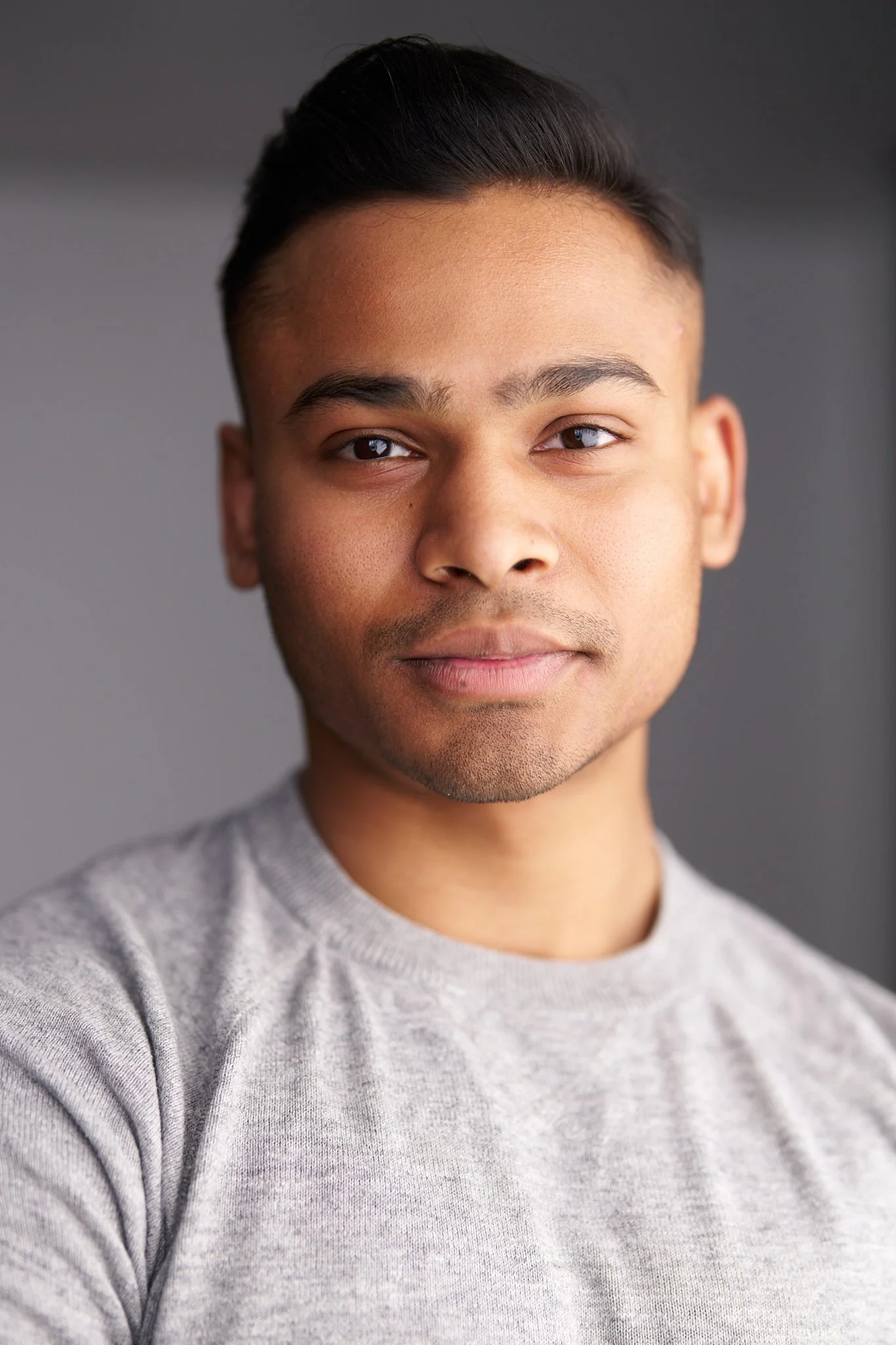
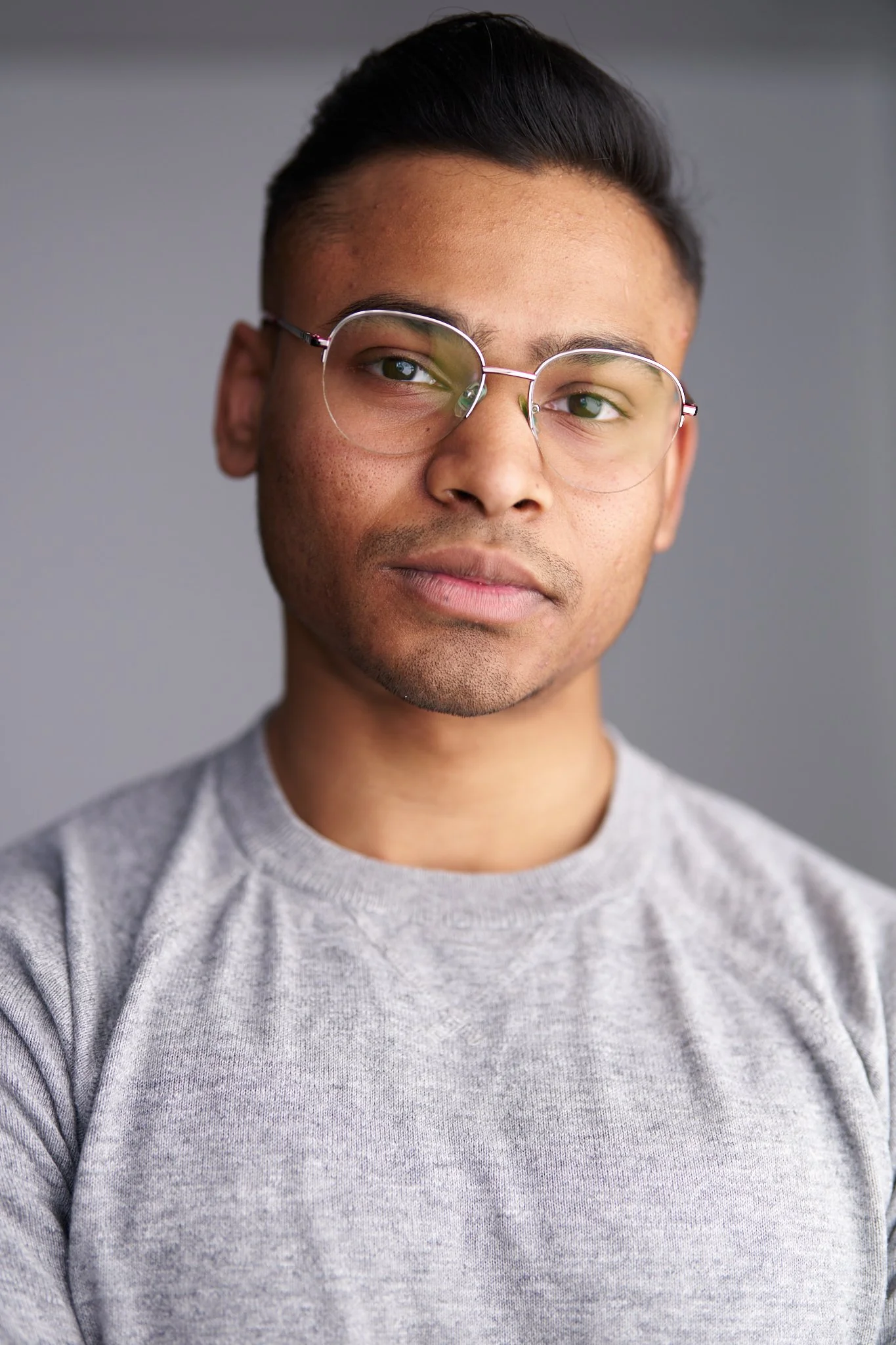
A useful difference might come from:
A warmer or more guarded expression
A meaningful change in wardrobe
A different level of polish
A lighter or darker background
A tighter crop or a looser portrait
A clear change in the kind of role the photograph could support
Small changes in your eyes or head angle can make one frame better than another, but they do not necessarily make it a separate submission option.
A practical starting point
Many actors can cover their immediate needs with two or three strong photographs:
An open, approachable image
A quieter or more serious image
A third image that fills a specific gap
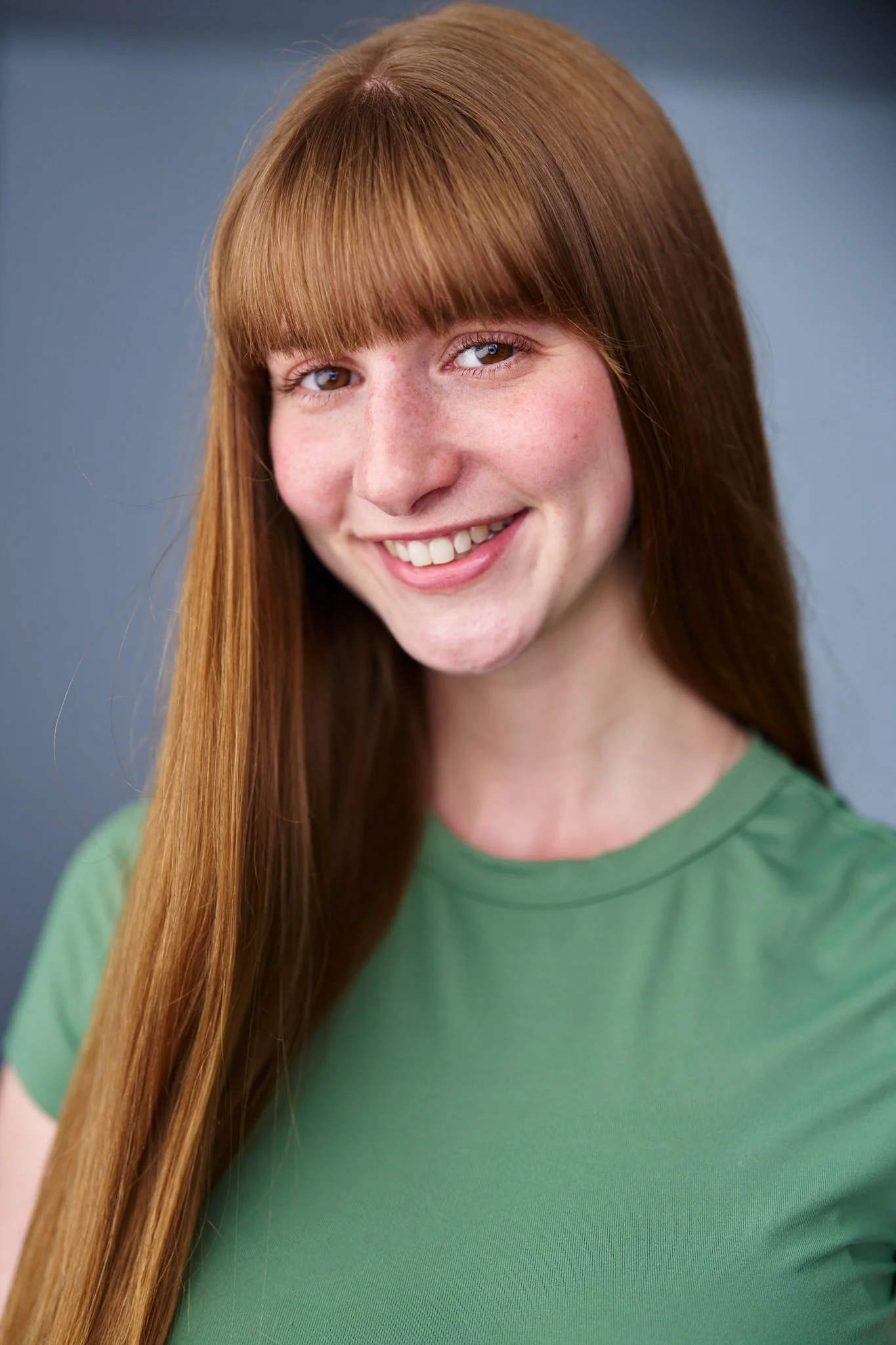
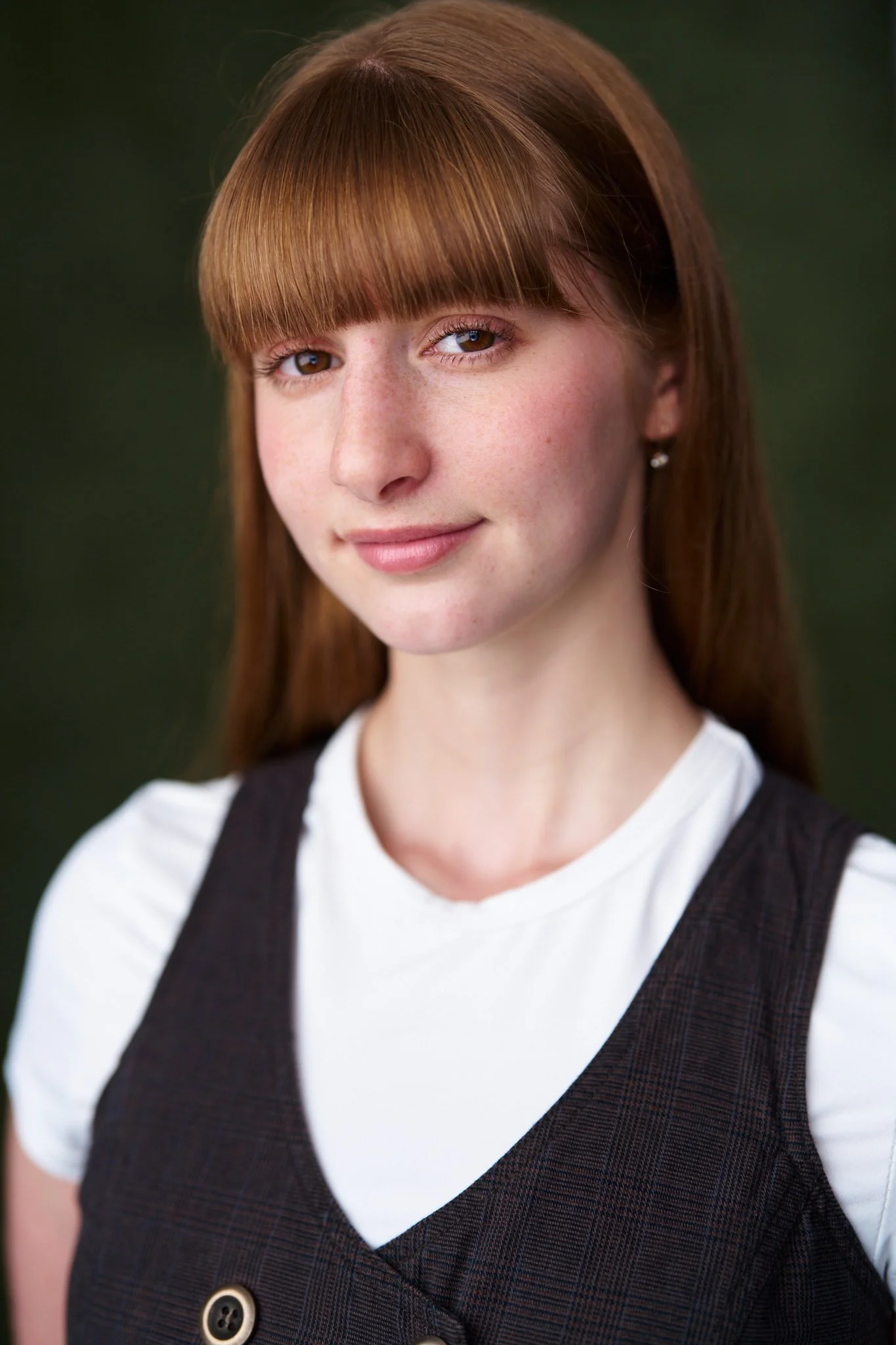
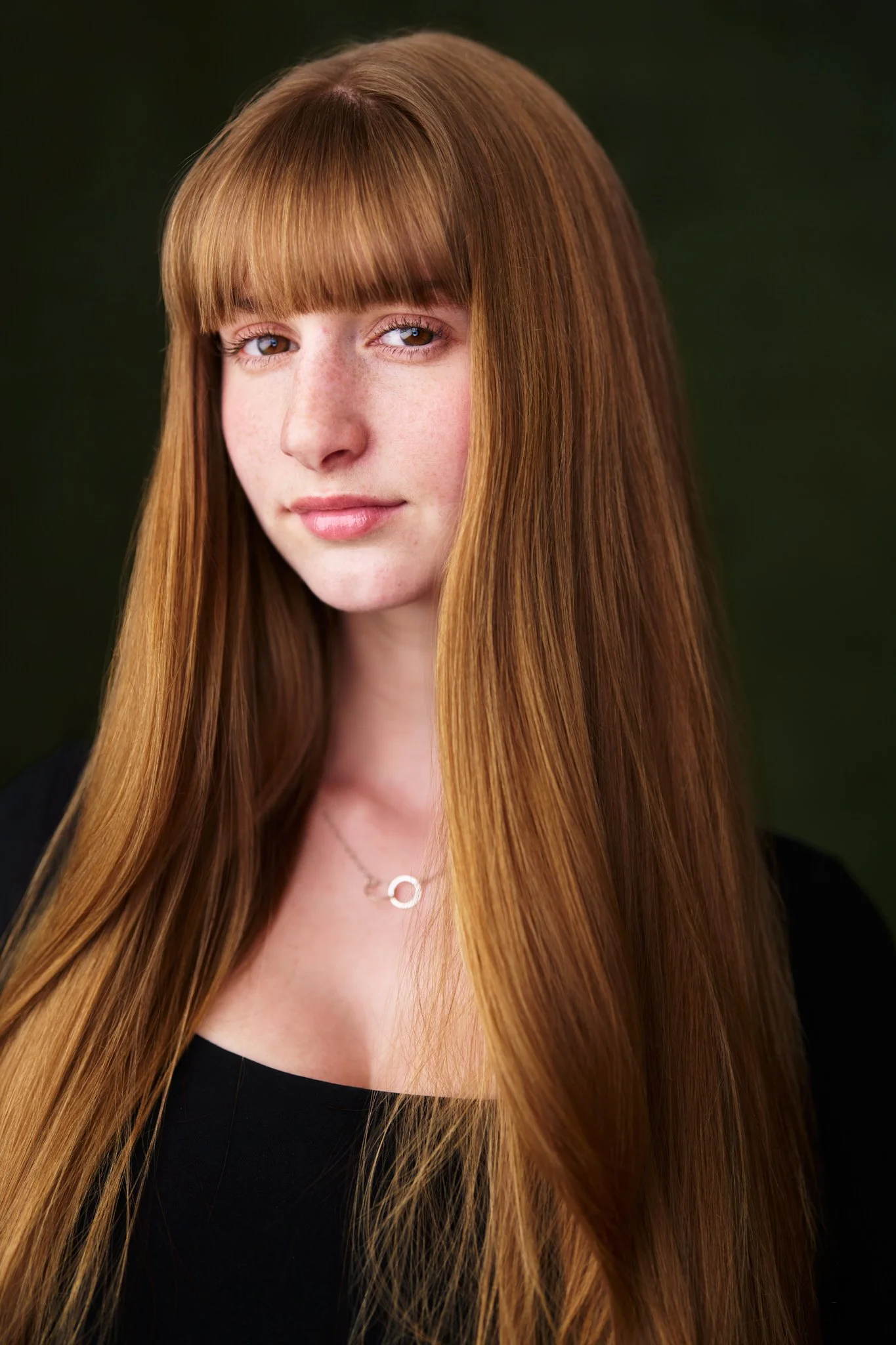
That third photograph might be more commercial, more character-driven or more polished, depending on the actor.
Some people need more. An actor working across comedy, dramatic television and commercials may have legitimate reasons for several looks. Someone just beginning may be better served by two clear choices and money left for classes, self-tapes and other professional expenses.
Ask what each photograph is for
Give every final selection a job. You should be able to finish the sentence, “I would use this when submitting for…”
If two photographs produce the same answer, choose the stronger one. If one cannot be connected to any work you are pursuing, it may be a photograph you like rather than one you need.
There is nothing wrong with liking a portrait. Just separate that decision from the practical needs of your acting materials.
Your agent may need something specific
If you have representation, ask before the session whether anything is missing. A short, specific answer is helpful. “We need something warmer” or “Your current dramatic shot is too severe” gives the photographer a direction to explore.
Avoid asking several people to choose independently after the session. Friends and family often select the photograph in which you look happiest or most polished. That may not be the image that best supports your submissions.
Keep your set current
A smaller set is easier to maintain. When your appearance or casting changes, you can replace the photograph that no longer works without rebuilding everything.
Review your headshots occasionally and ask:
Does each one still look like me?
Are any two doing the same job?
Am I actually using all of them?
Is there a type of role I pursue without an appropriate photograph?
If the set still works, keep it. Headshots do not need to be replaced simply because another photographer is offering a new package.
Choose for usefulness, not volume
The goal is not to own as many finished files as possible. It is to have enough strong options that you can submit with a clear reason for choosing each one.
Hero Shots sessions include one finished photograph, and you can choose additional images after seeing the full gallery. You do not have to decide how many you need before the session.