What Kind of Headshots Do You Need?
People use the word “headshot” to describe a fairly wide range of photographs. An actor submitting for a dramatic role, a lawyer updating a company website and a business owner creating social-media content may all need photographs of themselves, but they don’t need the same photographs.
The intended use should determine the expression, wardrobe, lighting, background and framing. Before booking a session, it helps to know where the photographs will appear, who will see them and what they need to communicate.
Actor headshots
Actor headshots are marketing photographs designed to help an actor get auditions. Casting directors use them to make an initial decision about whether someone could plausibly play a particular character, often while looking through hundreds or thousands of submissions.
An actor needs three things from a headshot:
Recognition. It must look like the actor as they currently appear. It should give casting an accurate idea of who will walk into the audition room. Good lighting, direction and retouching can improve the photograph, but they shouldn’t create an expectation the actor can’t meet in person.
Specificity. The headshot should communicate something more useful than “this person is attractive” or “this is a professional photograph.” An actor should think about their type, the roles they are looking for and the roles they might realistically be successful at portraying. Expression, wardrobe, lighting and setting should give casting some idea of the actor’s presence and where they might fit.
Readability. The actor needs to register immediately, especially because headshots are often first seen as small thumbnails. The face, eyes and expression have to carry the photograph without being overwhelmed by the lighting, wardrobe or setting.
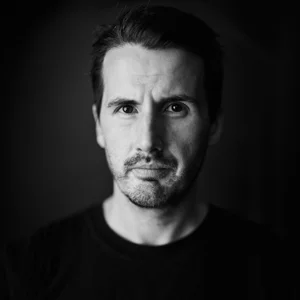
What works for one actor may be completely wrong for another. One actor might need a bright, clean photograph with an open and approachable expression. Another might be better represented by subdued expressions, more shadows and greater contrast. Someone else might benefit from unusual wardrobe, props, louder expressions, specialty lenses or an unconventional setting.
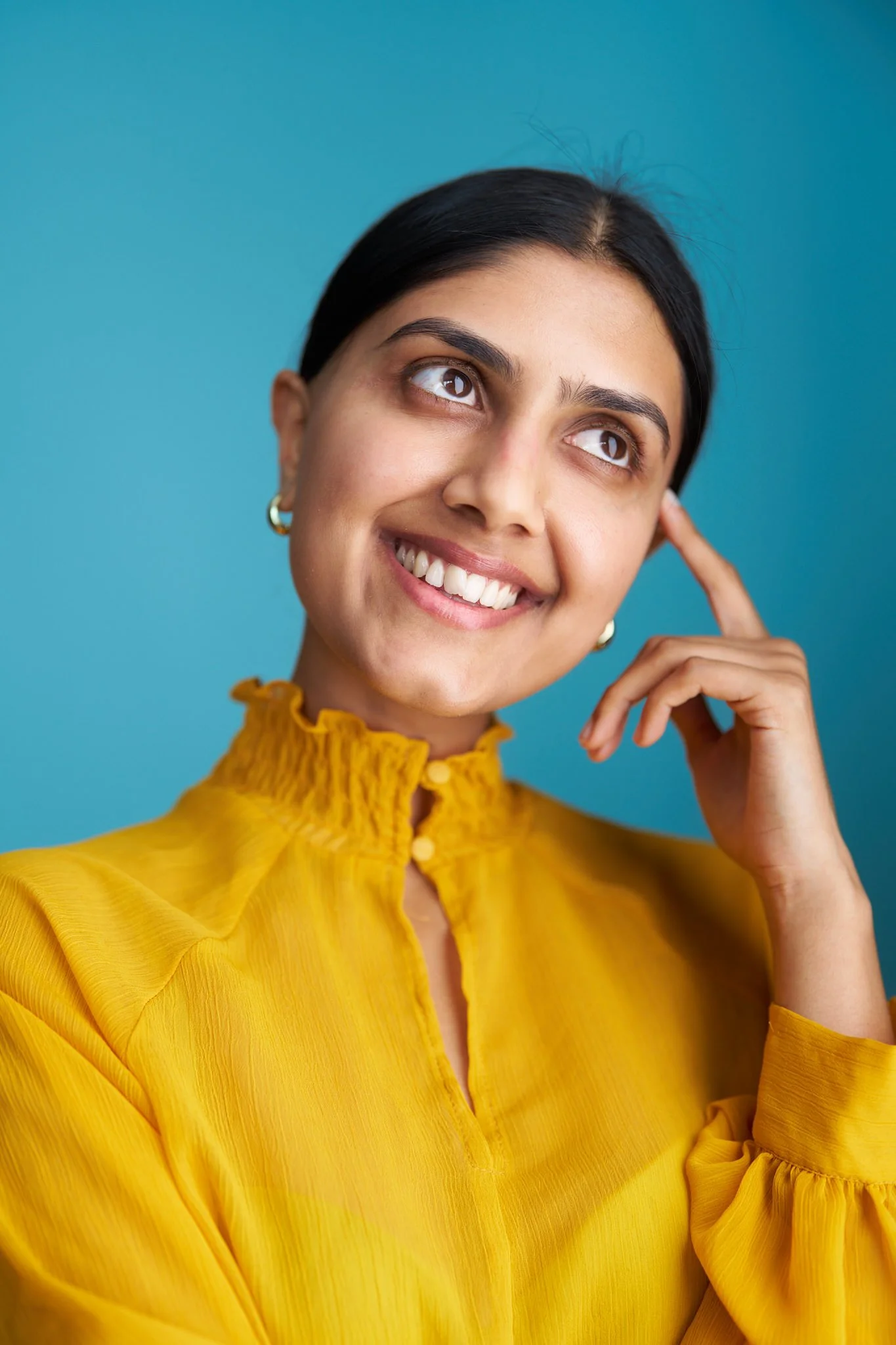
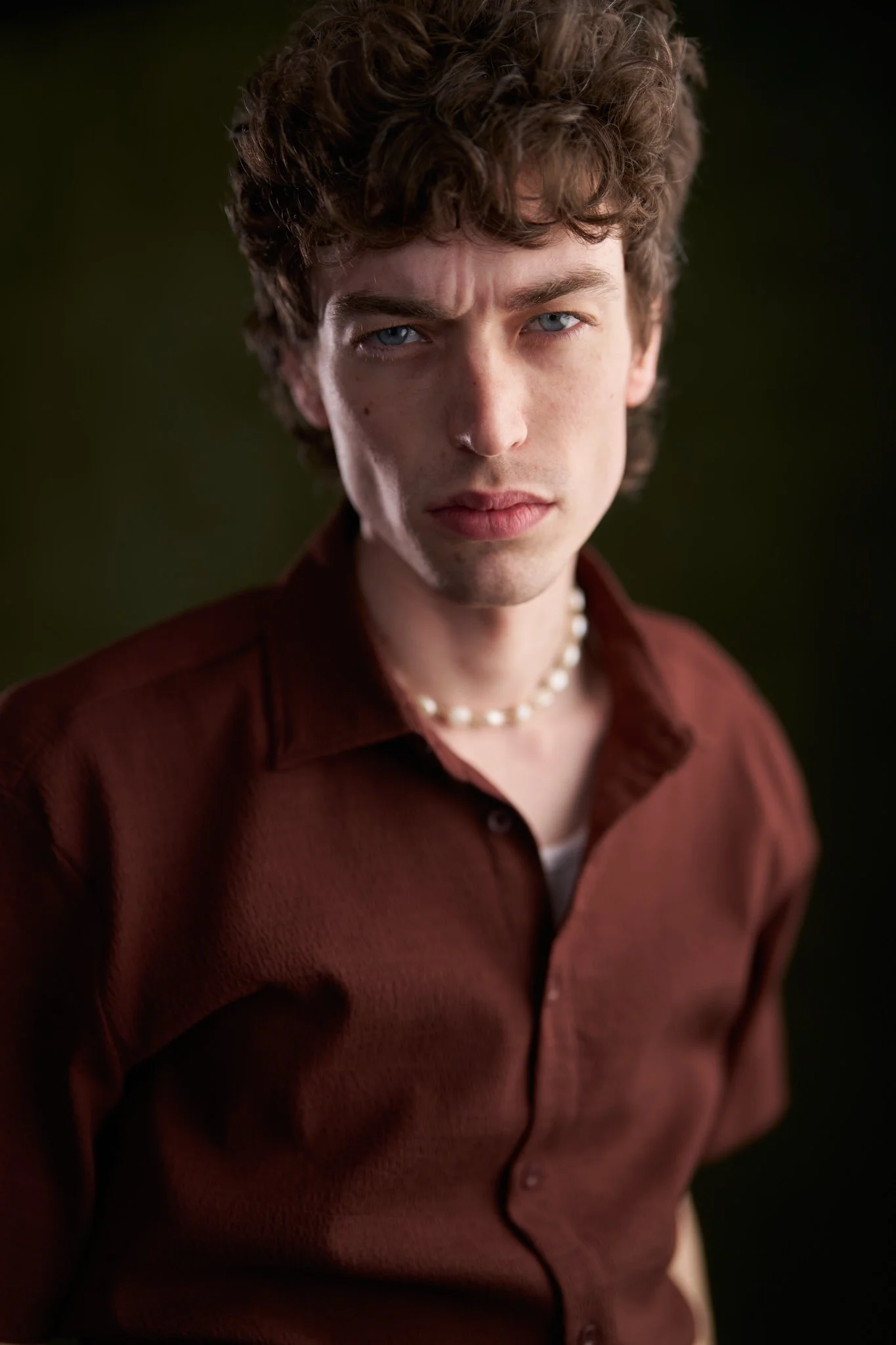
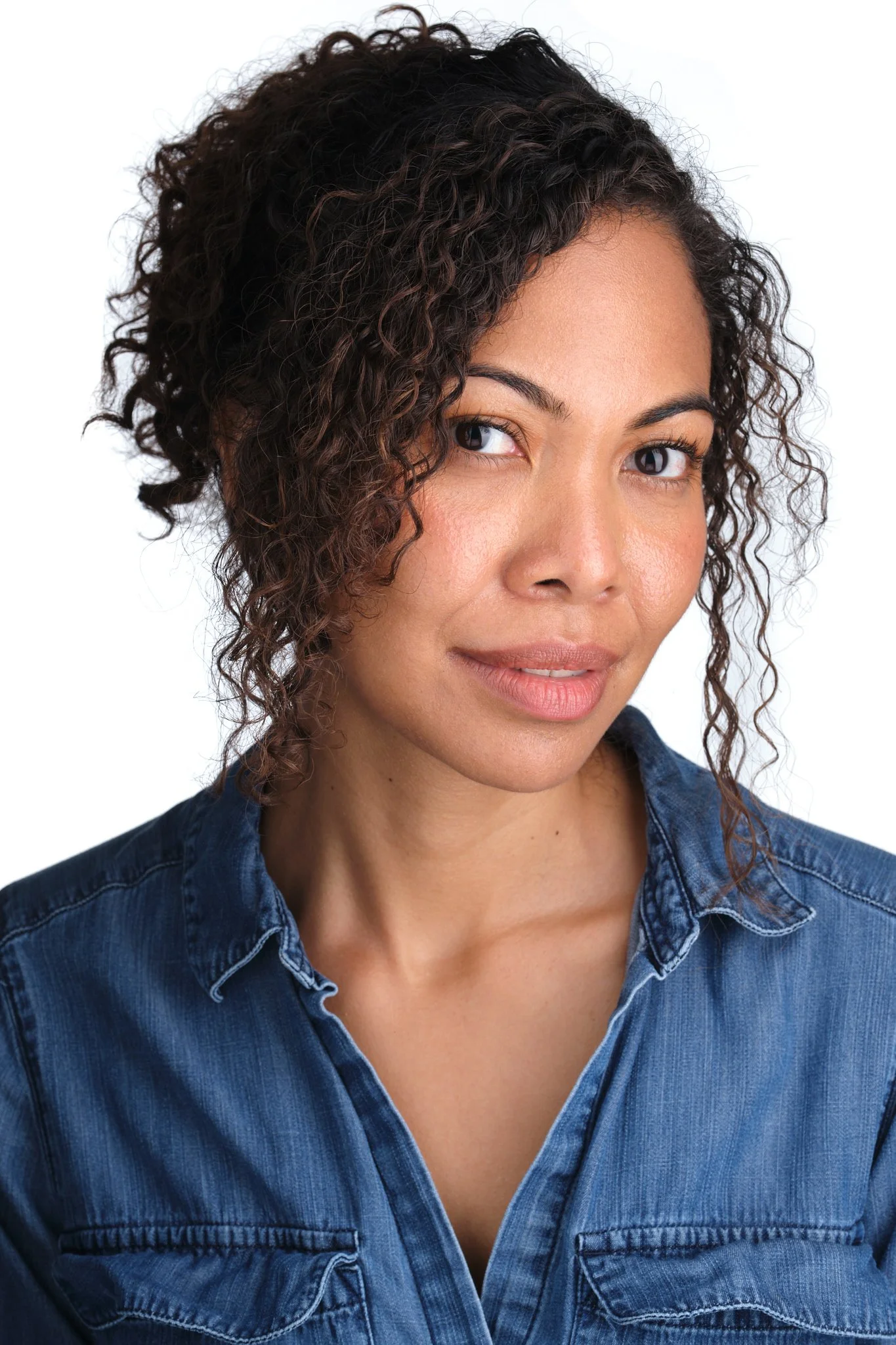
Those decisions shouldn’t be based on what an actor headshot is generally supposed to look like. They should be based on the actor, the work they are pursuing and what the photograph needs to communicate.
“Showing range” doesn’t mean that one photograph has to prove an actor can play everything. Each headshot should make a clear case for something. A small selection of targeted photographs can make several different cases for the actor and the kinds of roles they want to pursue.
The best actor headshot isn’t necessarily the most impressive portrait. It is one that looks like the actor, communicates something specific and makes sense for the roles they are pursuing.
Corporate headshots
Corporate headshots are used to represent people in a professional context. They appear on company websites, LinkedIn profiles, internal directories, press releases, speaking announcements and other business materials.
Most need to communicate some combination of three things:
Competence. The person should look capable and comfortable in their role. The photograph doesn’t need to make them appear overly formal or severe, but it should feel appropriate for their position and industry.
Approachability. Corporate headshots are often the first time a client, colleague or potential employer sees someone. A natural, confident expression usually works better than something stiff or overly posed. Depending on the person and the business, the expression may also be openly friendly or happy.
Suitability. A headshot has to work where it will actually be used. That may mean fitting an existing company website, matching photographs of other employees or remaining clear when displayed at a small size. For company-wide headshots, the photographs also need to look like they belong together, even when employees are photographed on different days.

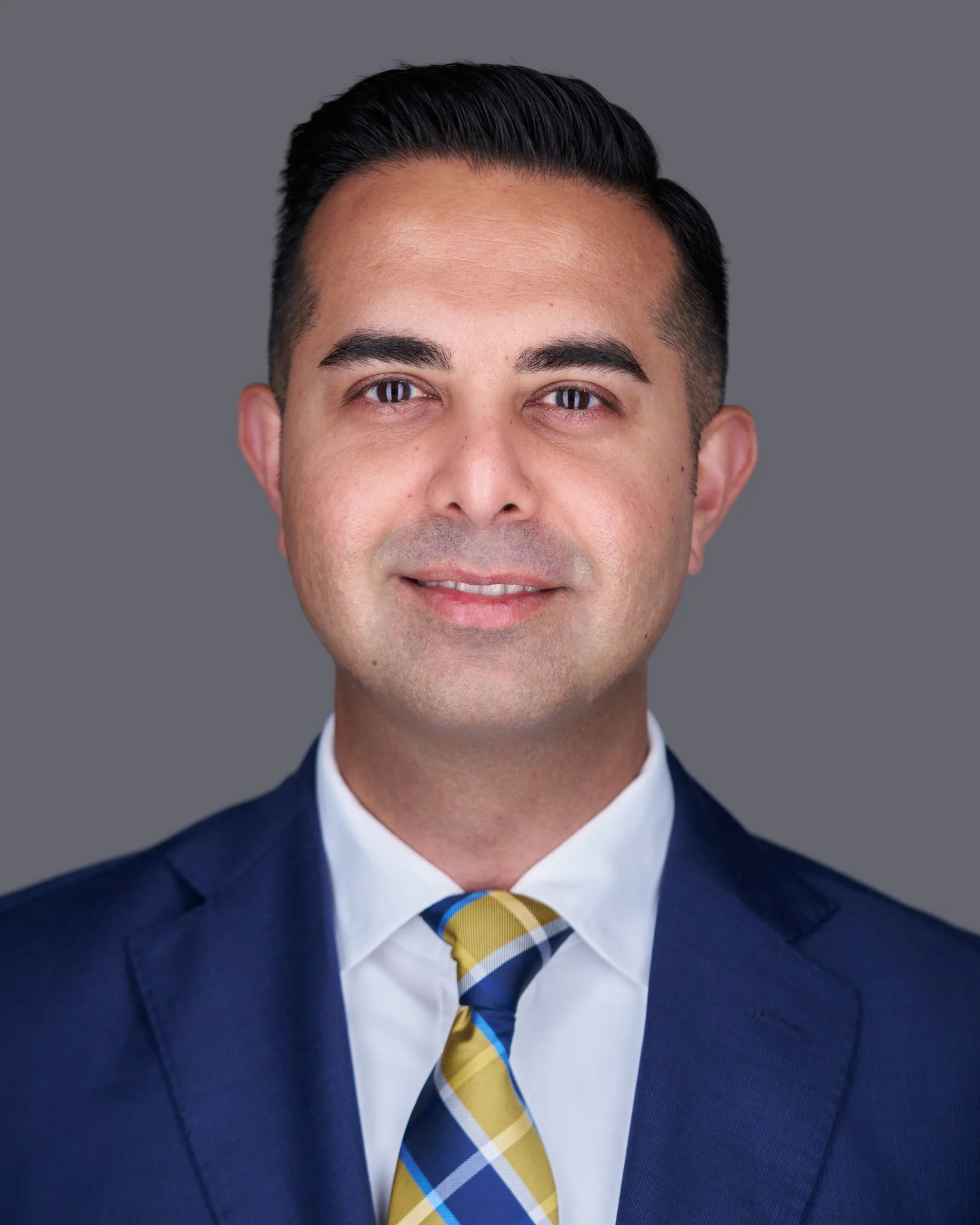

Most corporate headshots are fairly straightforward. They are usually brightly lit with relatively little contrast. White, light grey and light blue backgrounds are common because they look clean and work well across different platforms. Some businesses prefer an office setting, an out-of-focus workplace or a skyline visible through a window.
Industry and position can change the approach. A lawyer, financial adviser, real estate agent and creative director may all need a professional photograph, but that doesn’t mean their headshots should look identical. Wardrobe, expression, lighting, background and framing should reflect how the person works and how they want to be understood.
Executive headshots
Executive headshots allow more room for drama. The aim may be to present someone as powerful, experienced and highly competent, rather than simply friendly and approachable. That can call for more contrast, less conventional lighting and a wider composition.
Executive photographs also tend to include more of the environment. An office, boardroom, piece of architecture or city skyline can provide context for the person’s position. Once the surroundings become an important part of the image, it begins to move away from a conventional headshot and toward an environmental portrait.
Personal-branding photographs
A personal-branding session is essentially an extended business portrait session. Instead of producing one or two headshots, the aim is to create a larger collection of photographs for a website, social media, advertising and other marketing materials.
The session may include different outfits, settings, expressions and crops, along with photographs of the person working or interacting with their environment. Some images may function as conventional headshots, while others leave room for text or show more of the business behind the person.
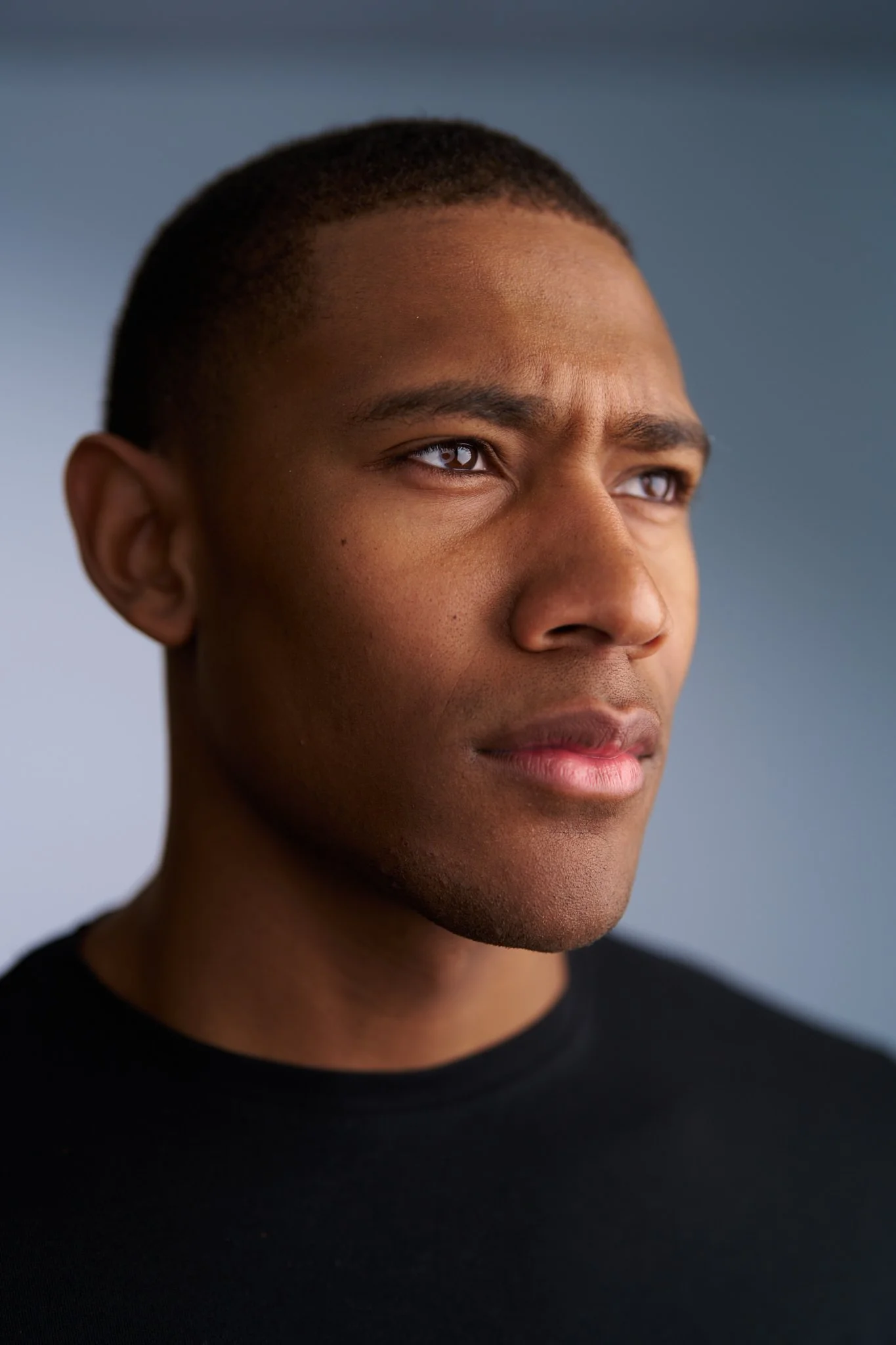
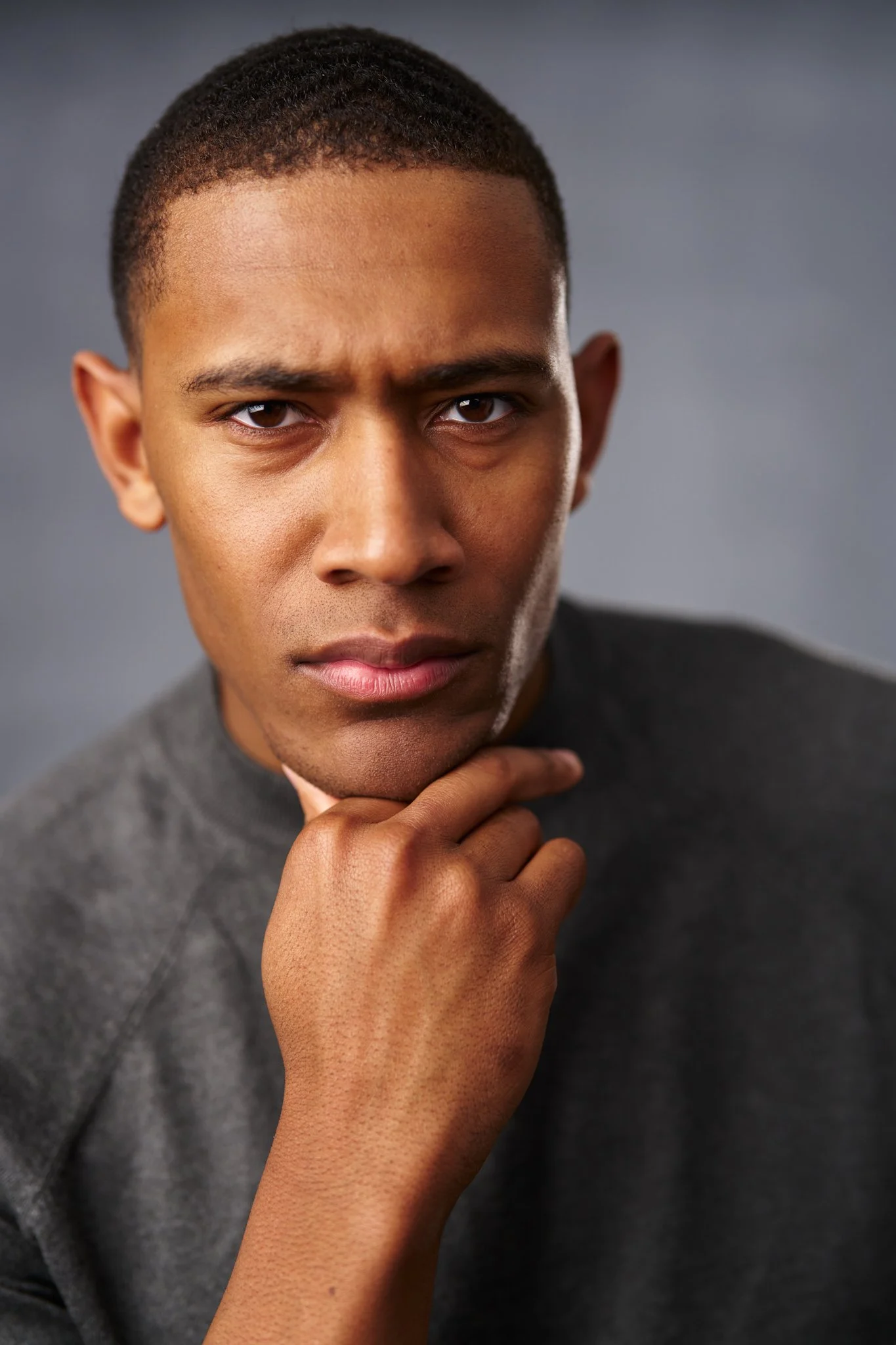
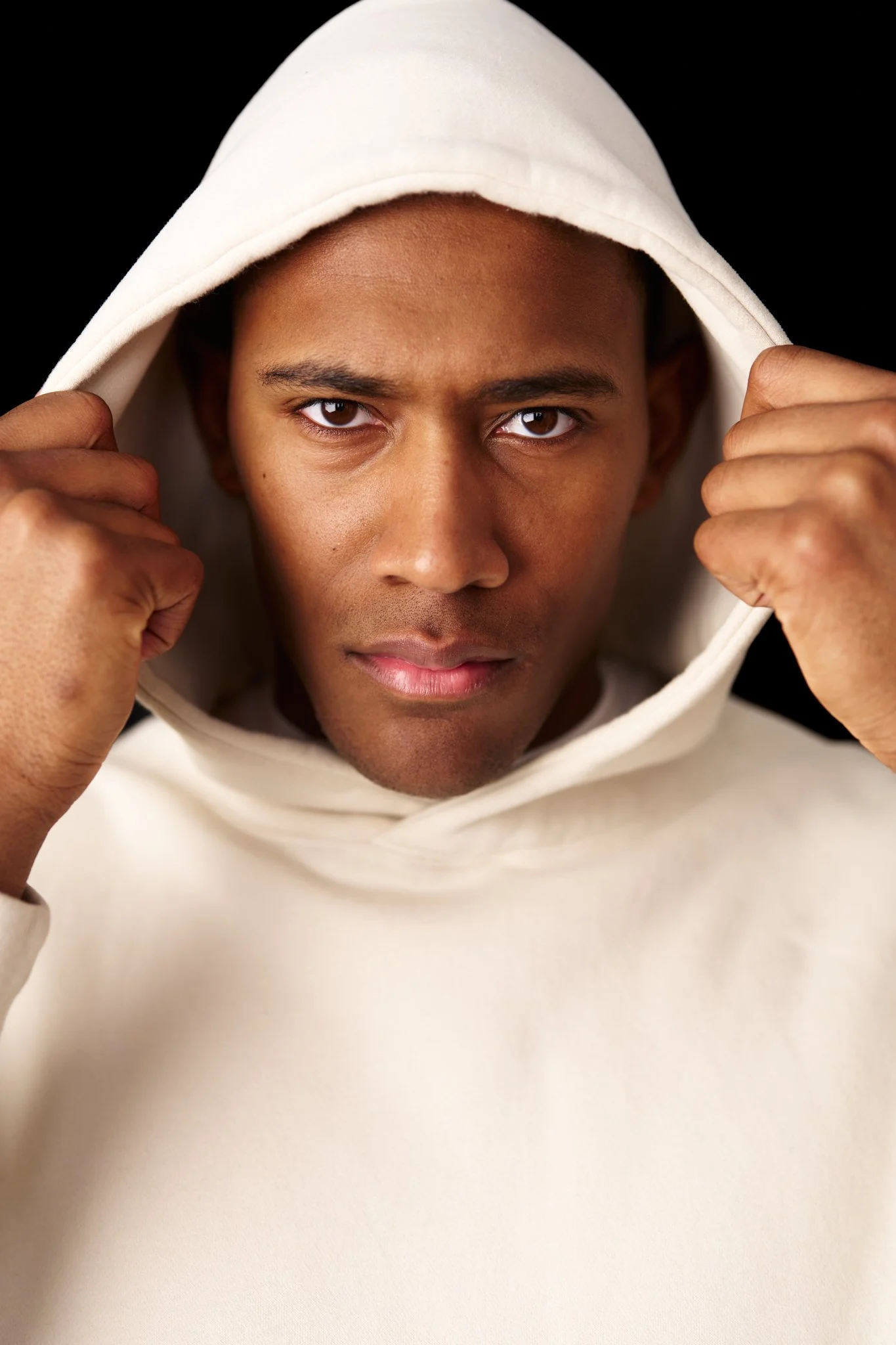
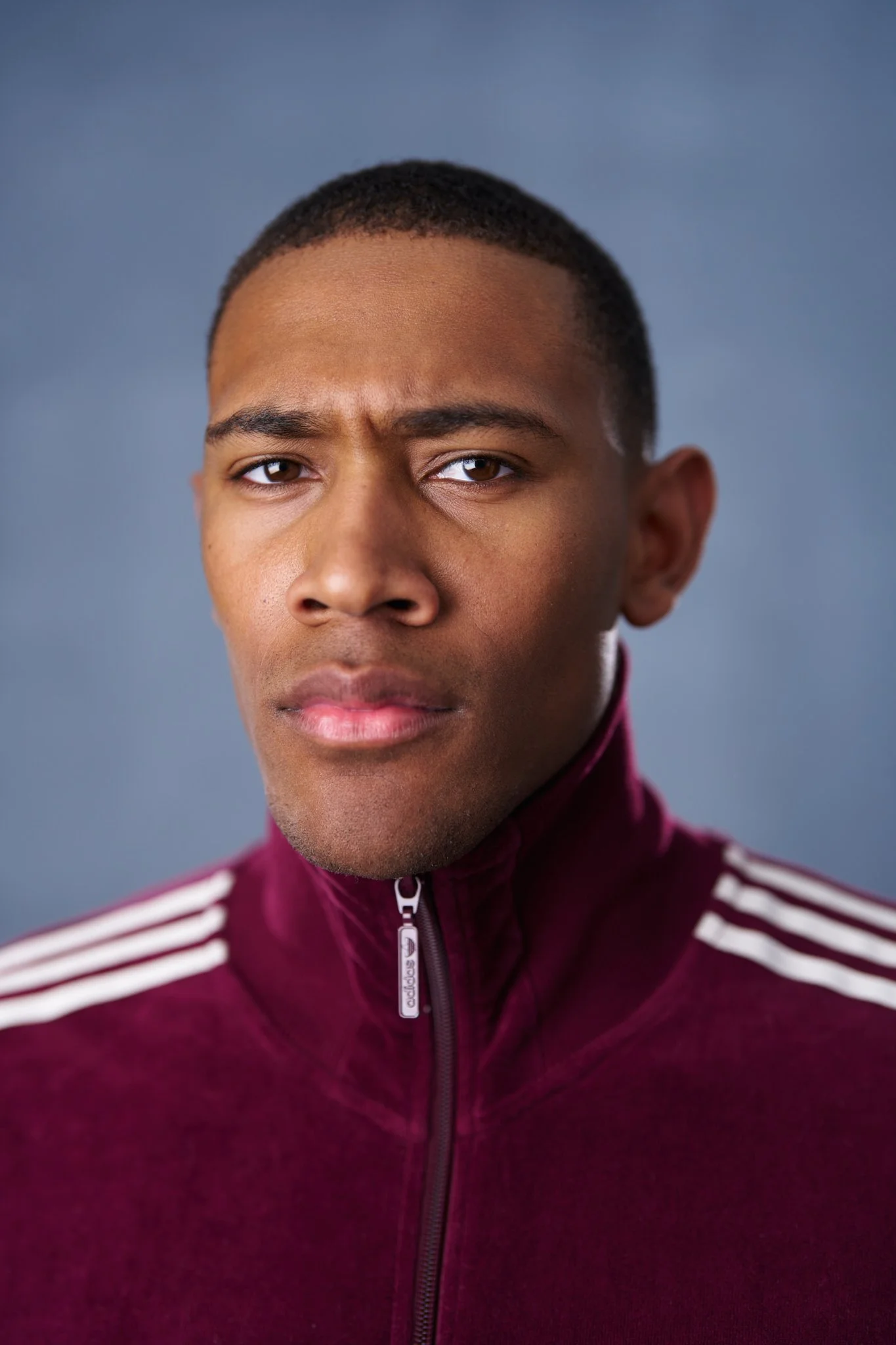
The style should be influenced by the business. Someone working in finance, law or another corporate field may still need clean, polished photographs that follow many of the usual conventions of a corporate headshot. A designer, artist, fitness professional or small-business owner may have much more room to experiment with wardrobe, lighting, colour and location.
The further someone works from the corporate world, the less those traditional guidelines may apply. For a social-media creator or influencer, they might not apply at all. In that case, the photographs need to fit the person’s audience, subject matter and existing visual style rather than a conventional idea of what looks professional.
A branding session should ultimately produce a useful group of related images, not simply a larger collection of headshots. The photographs need enough variety to work across different platforms while still feeling as though they belong to the same person and business.
Editorial portraits
An editorial portrait is usually created for a particular story, publication or idea. It can be less concerned with making someone look conventionally professional and more interested in saying something about them.
The location, lighting and composition may provide context, but an editorial portrait can also be deliberately constructed. Unexpected props, set decoration and production design can establish a mood, support the story or present the subject in a way the audience hasn’t seen before.
Props, wardrobe and colour become part of what the portrait communicates.
This gives the photographer more room to experiment than a standard headshot normally allows. The person still needs to remain recognizable, but the photograph can be unusual, dramatic, funny or conceptual if that approach suits the subject and the story.
Choosing the right kind of headshot
The categories can overlap. A business owner might need a conventional headshot, several branding photographs and an editorial-style portrait from the same session. An actor may need photographs that present several sides of their casting range.
The important thing is to begin with the purpose of the photographs. Once that is clear, the decisions about lighting, expression, wardrobe and location become much easier. You aren’t trying to create every possible kind of portrait. You’re trying to create photographs that will be useful for the work you want them to do.